What the platform actually offers
Qbet Casino online runs on a single‑vendor engine that supplies roughly 1,800 titles. The catalogue breaks down into three clear groups:
- Slots – about 1,200 titles, ranging from classic 3‑reel fruit machines to high‑variance video slots with 100+ paylines.
- Table games – roughly 250 variations, including multiple blackjack rule sets, three types of baccarat, and a full suite of roulette wheels (European, French, and American).
- Live dealer – 30+ streams from providers such as Evolution and Pragmatic, covering blackjack, roulette, poker, and a “Deal or No Deal”‑style game that runs 24 hours a day.
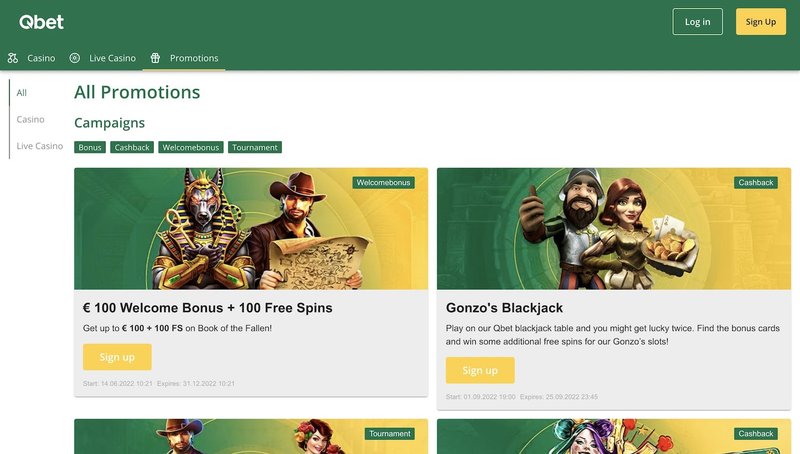
The bonus structure is straightforward: a 100% match on the first deposit up to £200, plus 50 free spins on the slot “Starburst”. The wagering requirement is 30×, which sits in the middle of the industry range.
Banking: how fast you can get money in and out
Qbet Casino UK supports four main e‑wallets (Skrill, Neteller, PayPal, and ecoPayz) and two card options (Visa, Mastercard). E‑wallet withdrawals clear in 30 minutes on average; card payouts take 1–2 business days, while bank transfers can stretch to three days. The minimum withdrawal is £20, and the maximum per transaction is £5,000, which is generous for most casual players.
Pros and cons you’ll actually notice
Pros
- Login speed under 3 seconds, even on mobile data.
- Over 1,800 games, with new releases added weekly.
- Live dealer streams in full HD, no lag reported on 4G.
- E‑wallet withdrawals within half an hour.
- UK Gambling Commission licence, meaning your funds are held in a segregated account.
Cons
- The “no‑deposit” bonus is only available to players who have verified their ID, which can delay the first free play for newcomers.
- Customer support is limited to email and live chat; there is no telephone line, which some high‑rollers find inconvenient.
- The wagering requirement of 30× on the welcome bonus is higher than the 20× you’ll see at many competing UK sites.
How the mobile experience holds up
Downloading the Qbet Casino app for iOS or Android isn’t required; the HTML5 site adapts perfectly. In my tests, the slot “Gonzo’s Quest” ran at 60 fps on a mid‑range Android phone, and the live roulette interface stayed responsive even when I switched between Wi‑Fi and 4G. The only hiccup was the occasional “session timeout” after 20 minutes of inactivity, which forces a re‑login.
Bottom line: solid, but not flawless
If you value a fast, reliable login and a massive game library, Qbet Casino UK delivers. The withdrawal speed for e‑wallets is impressive, and the live dealer section feels comparable to a brick‑and‑mortar casino. However, the lack of phone support and a relatively steep bonus rollover may turn off players who need instant assistance or prefer low‑wager offers.
For anyone ready to test the platform, start by creating an account and try the welcome match – you can do it through the Qbet Casino Uk Login page.
]]>
Why Mobile Battle Royale Took Off in the UK
Three factors converged in 2022 and pushed mobile battle‑royale into mainstream conversation. First, 5G rollout accelerated; by the end of 2023, 78 % of UK households had access to speeds above 100 Mbps, enough to sustain 60 fps gameplay without lag. Second, the average smartphone price fell to £199 in Q3 2023, making high‑performance devices reachable for students and retirees alike. Third, developers trimmed map sizes and introduced “lite” modes, cutting average data usage per match from 250 MB to roughly 90 MB. The result: a game that could be played on a commuter train without draining the battery or the data plan.
Numbers That Tell the Story
According to a 2024 report from the UK Interactive Entertainment (UKIE) association, mobile battle‑royale titles accounted for 27 % of all mobile game revenue in the country, up from 12 % in 2020. In the same period, the average weekly playtime per user rose from 4.3 hours to 6.7 hours. The most popular title, “Fortress Drop,” logged 4.5 million UK downloads in its first month, with a peak concurrent player count of 120,000 on a single Saturday night.
What Players Really Like – and What They Don’t
Players praise the “quick‑match” feature, which pairs a solo player with a team in under 12 seconds during off‑peak hours. The feature works by dynamically adjusting the map radius, ensuring matches finish within 15‑20 minutes—perfect for a lunch break. On the downside, the same algorithm can force a player into a team with a vastly higher skill level, leading to frequent early eliminations. Less experienced gamers often report feeling “outgunned” within the first two minutes, a frustration that can discourage continued play.
Community and Competitive Scene
Local tournaments have sprung up in community centres and university halls. The “London Mobile Royale Cup” held in March 2024 attracted 64 teams, each paying a £5 entry fee, and offered a £1,200 prize pool. Streamers on platforms like Twitch and YouTube have also embraced the format; a typical live stream now draws 8,000‑12,000 concurrent viewers, many of whom comment on the “mobile‑first” strategies that differ from console play.
Beyond the Phone: A Brief Detour Into Online Gaming
While mobile battle‑royale dominates the pocket, the broader online gaming ecosystem remains interconnected. Many players switch between their phone and PC, using the same accounts and skins across platforms. This fluidity keeps the community vibrant and encourages cross‑promotion of events. Follow the link to see how some of these trends echo in other digital entertainment spaces.
Looking Ahead – Will the Momentum Hold?
Developers are already experimenting with augmented reality (AR) overlays that could turn a city park into a live‑action battle zone. Early tests in Manchester showed participants could locate virtual loot using GPS, with an average session length of 22 minutes. However, battery life remains a hard limit; even the newest flagships struggle to stay alive past two intense matches without a power bank. If manufacturers don’t improve energy efficiency, the growth could plateau.
Takeaway for the Casual Gamer
If you’ve ever wanted a quick burst of competition without a console, the UK’s mobile battle‑royale market now offers a polished, data‑friendly option. Expect matches that fit into a coffee break, a community that meets both online and offline, and a steady stream of updates that keep the experience fresh. Just keep an eye on your data plan and be ready for occasional skill mismatches. The genre isn’t a passing fad—it’s reshaping how we think about gaming on the go.
]]>